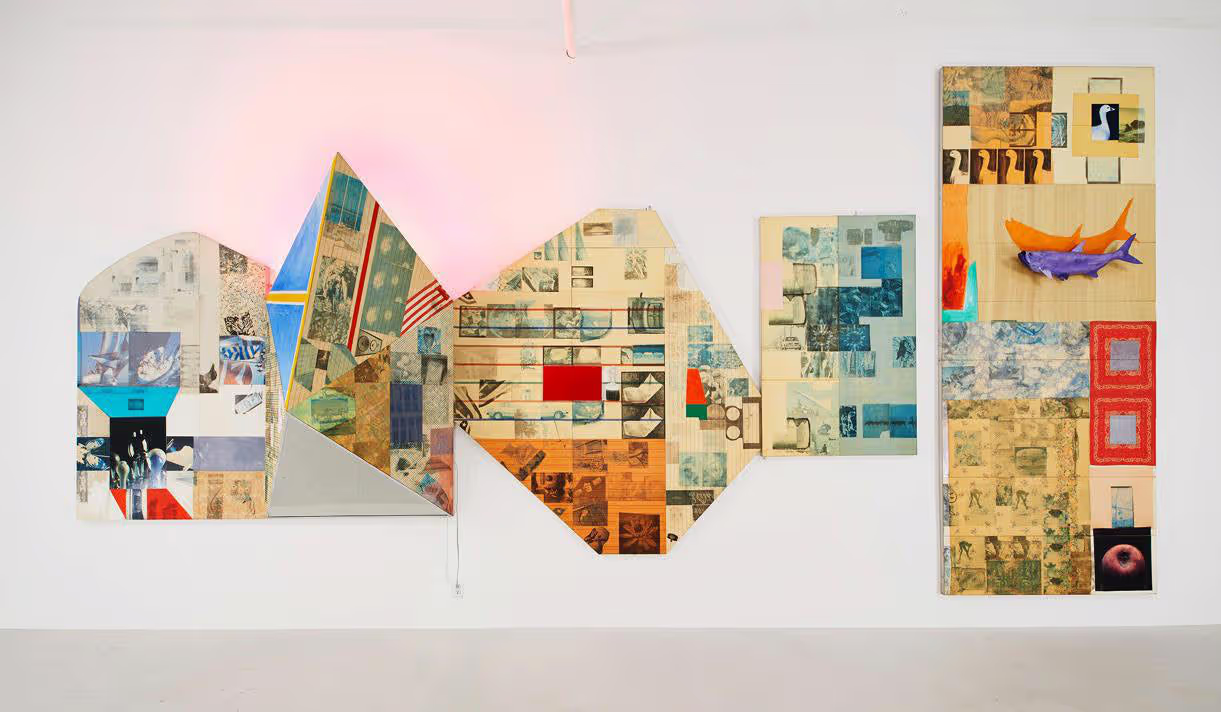
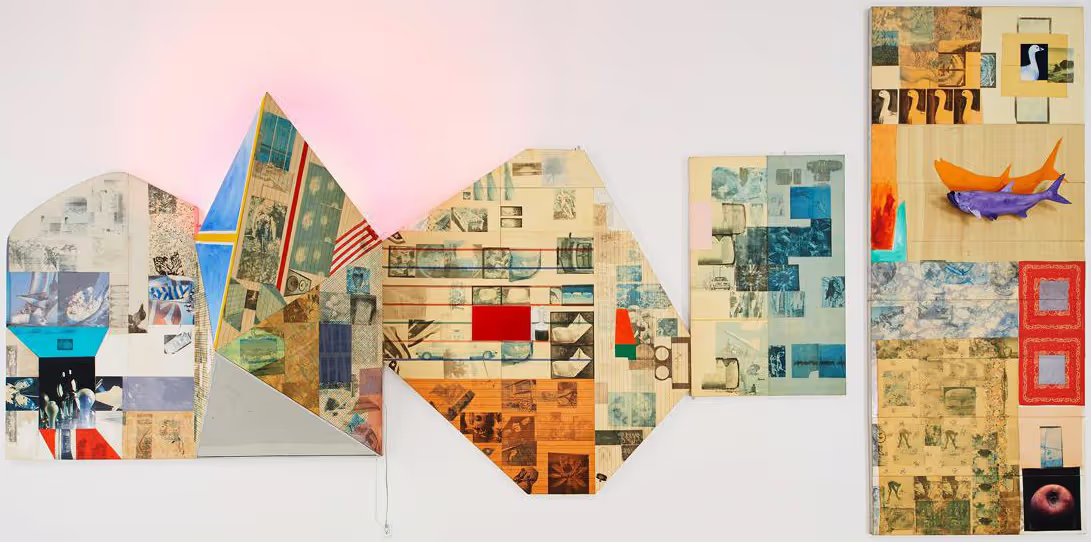
Robert Rauschenberg (1925–2008) was an American artist whose experimental approach to materials and form helped redefine the boundaries between painting, sculpture, and everyday life. A pivotal figure in postwar art, Rauschenberg’s practice bridged Abstract Expressionism and Pop Art, incorporating found objects, collage, and nontraditional materials into complex assemblages he called Combines. Through this inventive fusion, he sought to capture the pulse of contemporary life—its energy, contradictions, and interconnected systems.
Rauschenberg’s works are held in the most prestigious collections worldwide, including the Museum of Modern Art (New York), Tate (London), Centre Pompidou (Paris), and the Los Angeles County Museum of Art. His pioneering legacy continues to influence generations of artists who engage with environmental, social, and material consciousness.