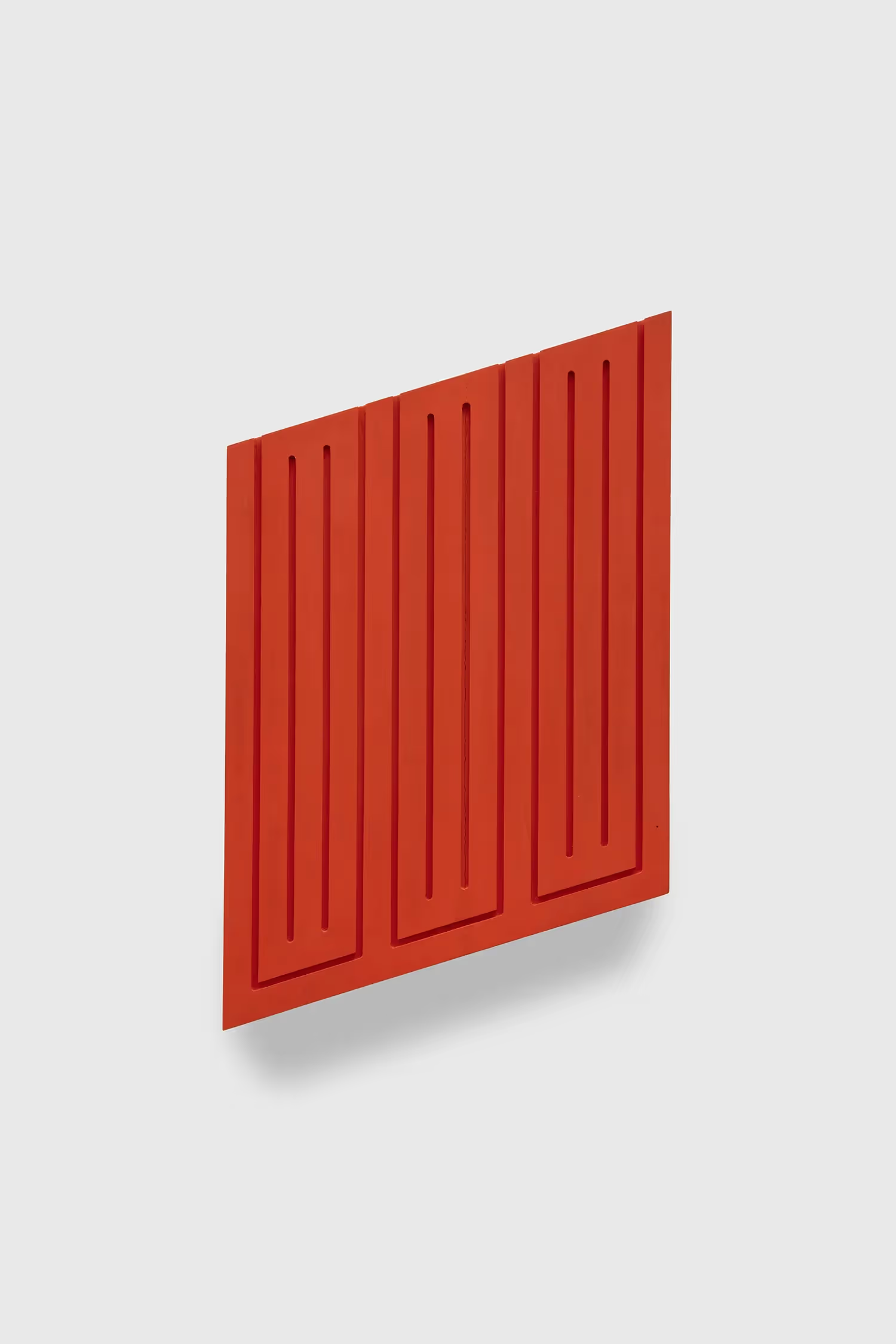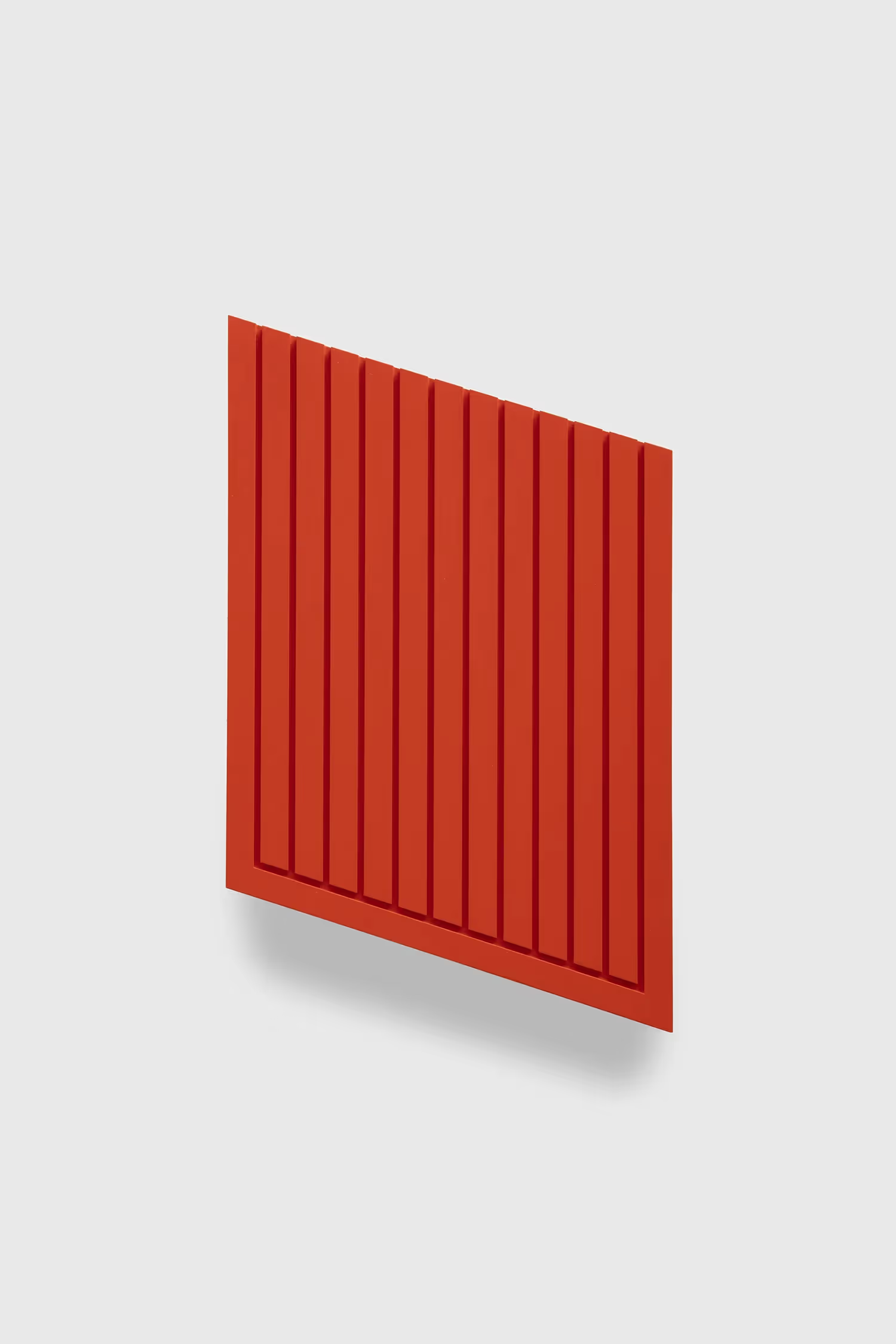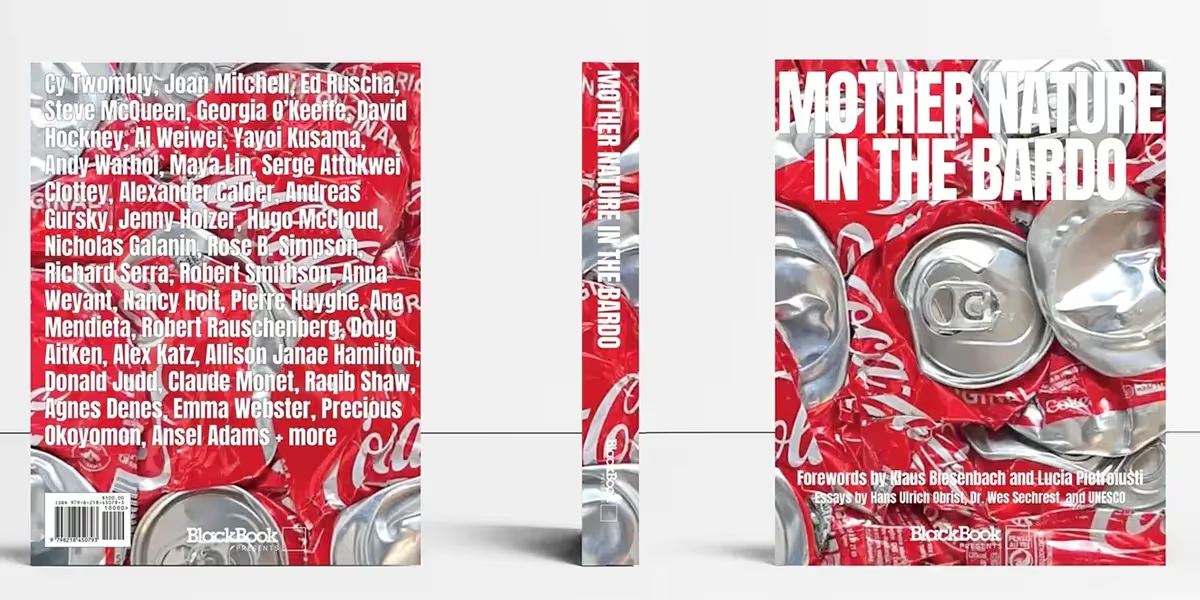

Known for large-scale minimalist work, Donald Judd was a passionate environmentalist throughout his career. As a founding member of the Texas chapter of the Environmental Defense Fund, Judd championed conservation efforts and worked to support sustainability, ecology, and preservation. These environmental practices were inextricably linked with Judd’s artistic practice, which embodied the belief that art is an extension of its environment. In 1986, Judd opened The Chinati Foundation in Marfa, Texas–a contemporary art museum focused on bringing together art, architecture, and nature. At Chinati, Judd focused on creating and showcasing public works that engaged with the desert landscape, and invited other artists to do the same. He planted gardens, and began a re-planting project, returning native plants to the grounds of the museum.
At the center of Judd’s philosophy was a focus on minimalism, and a rejection of commercialization and commodification. He believed in the purity of art, and the power of form–an extension of his ethos around the environment, as nature is the ultimate organic form, and art–as well as humans–should not take away from it. On the contrary, Judd believed art should engage with nature and work in harmony with it.
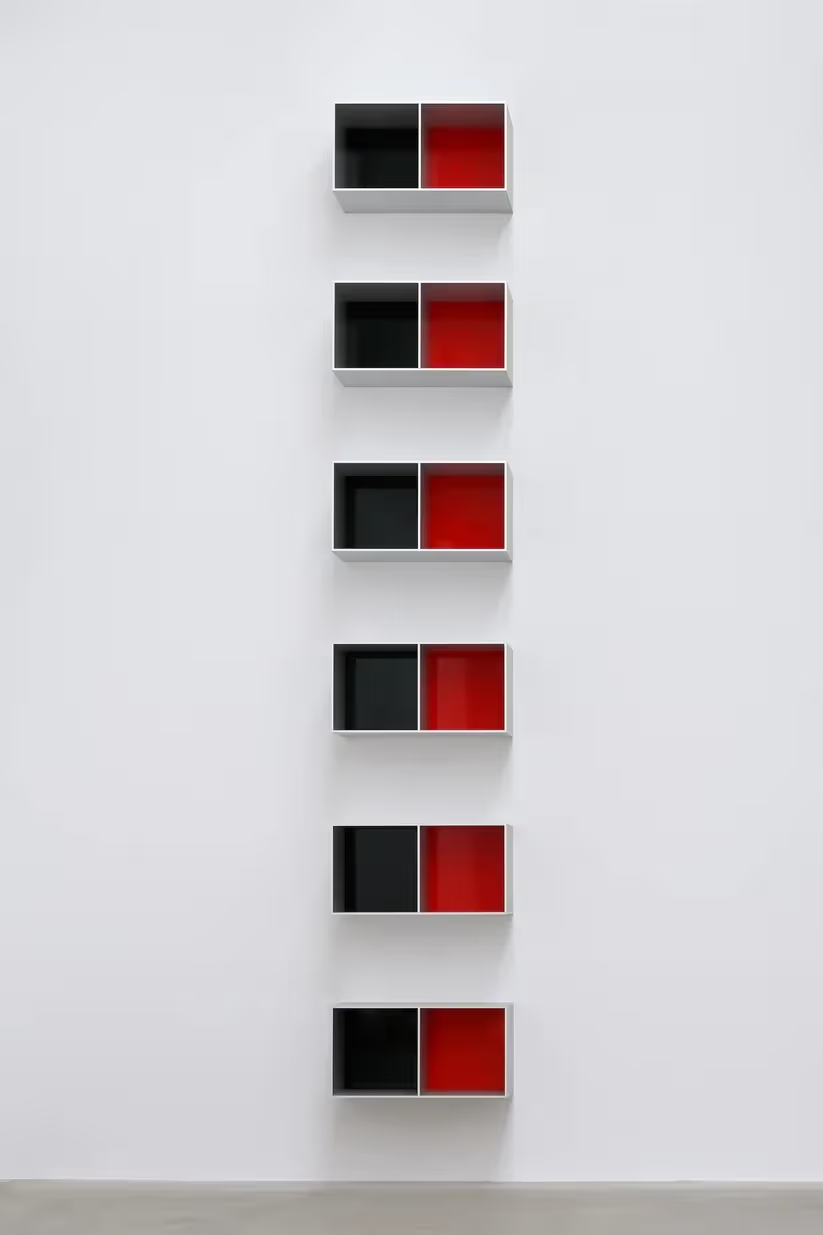
Judd’s oeuvre has inspired generations of designers, artists, and architects—from Kanye West and Raf Simons to Apple’s product designers and contemporary luxury furniture makers. His large-scale sculptures are financial pillars in the contemporary art market, consistently achieving multi-million-dollar results. Stacks and other works by Judd are held in leading institutions worldwide, including Dia:Beacon, Whitney Museum of American Art, Centre Pompidou, LACMA, Art Institute of Chicago, and the Chinati Foundation, which he founded to preserve and present his vision of permanent, site-specific Minimalist installations.