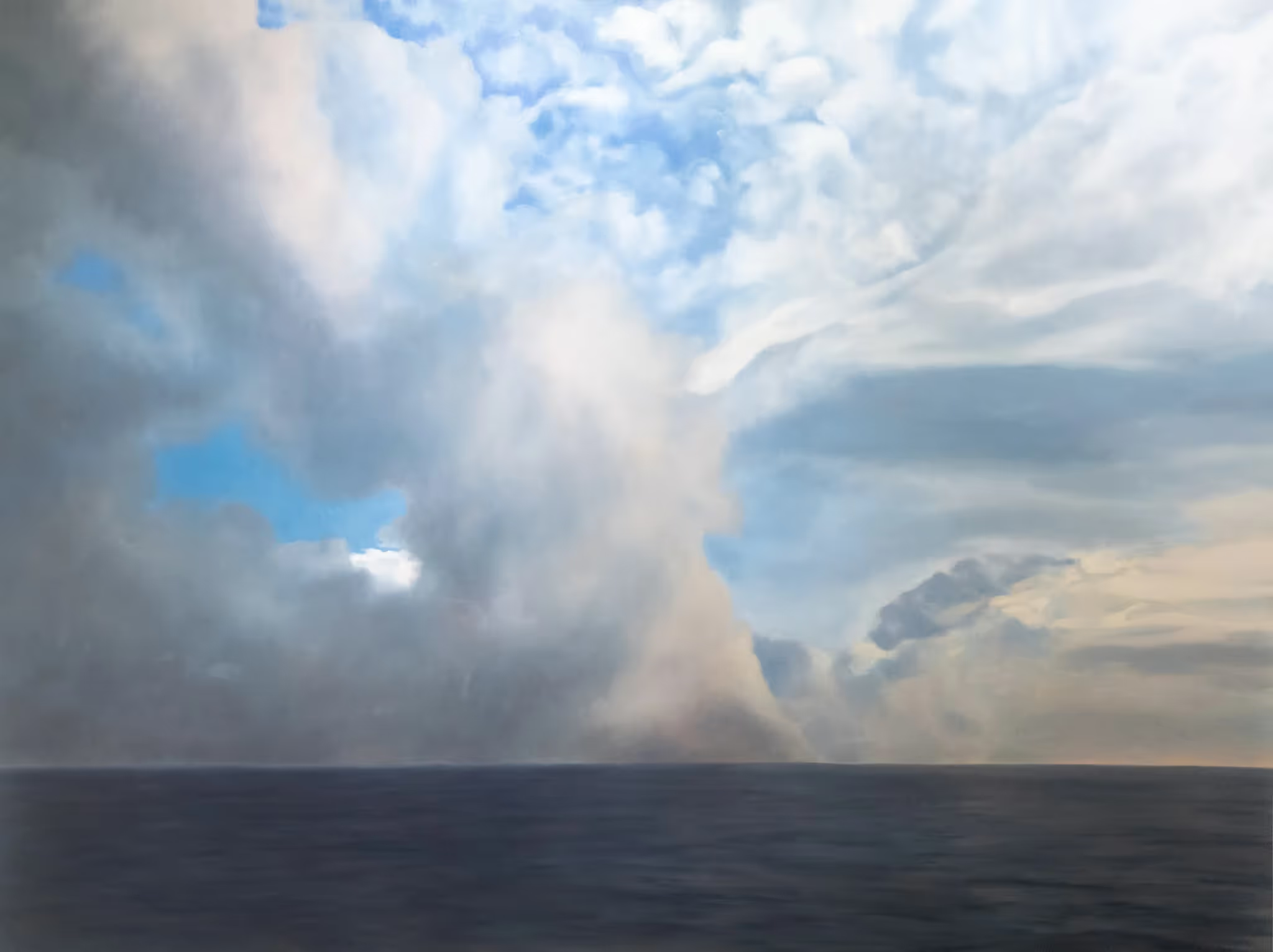
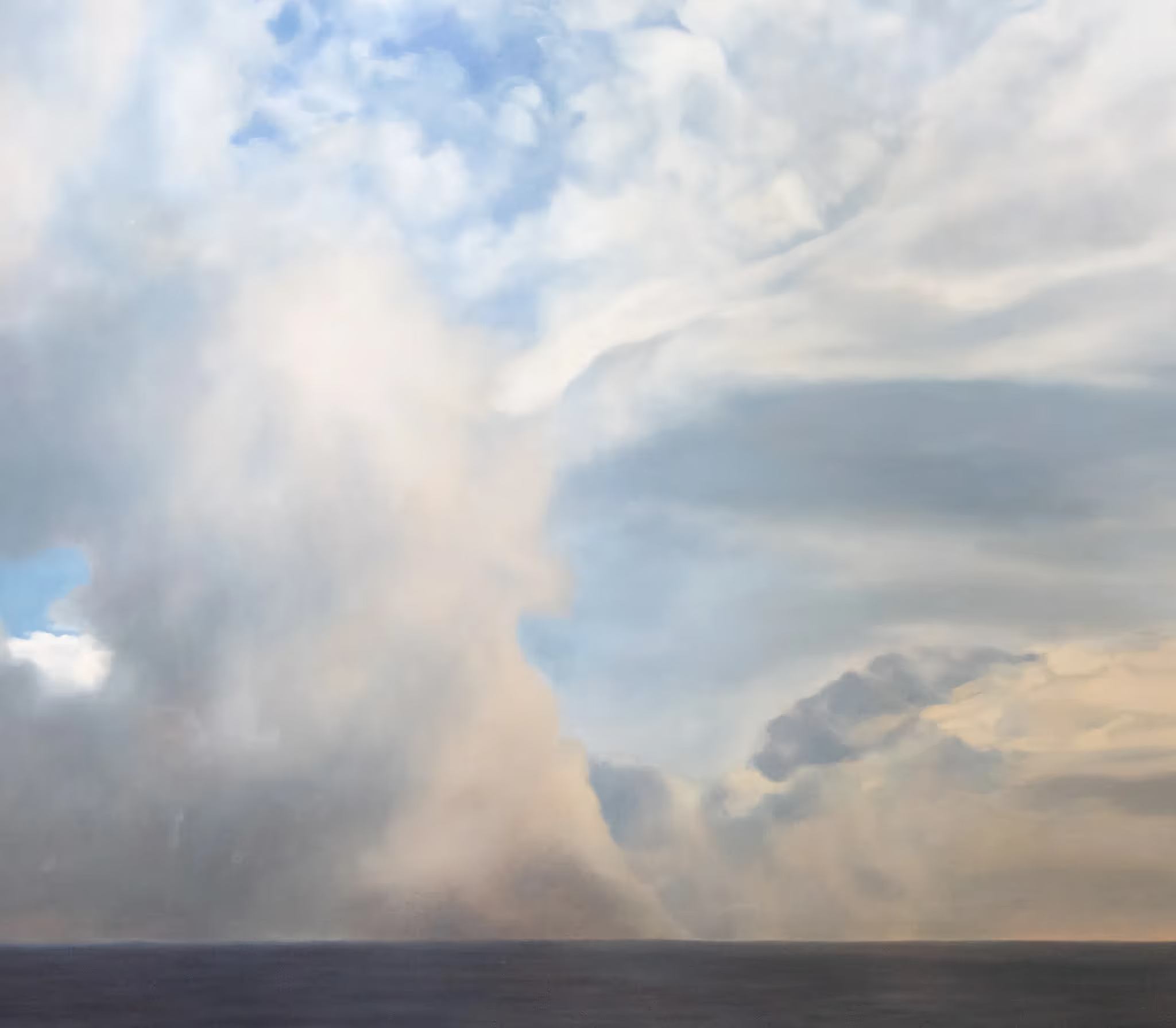

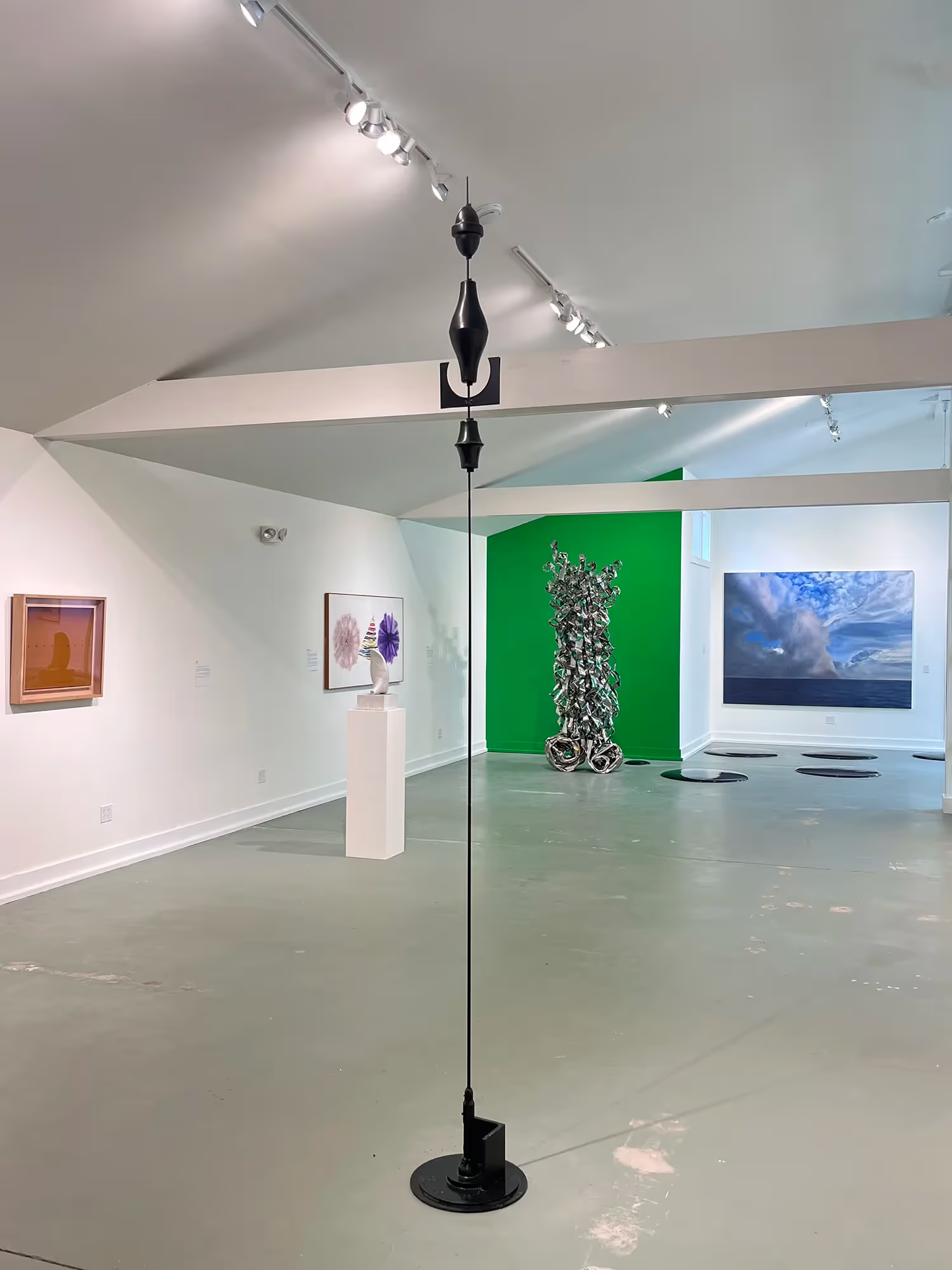

In Tropical Drift, Gornik depicts a landscape untouched by human presence, yet not untouched by human feeling. The scene is vast, luminous, and quiet, yet it carries weight. It holds the stillness of something sacred and the tension of something slipping away. Gornik paints not the world as it is, but as it lingers in the mind: unspoiled, imagined, and full of questions. Her light is soft but deliberate; her space, expansive but never empty. The work does not demand attention; it invites reflection. Like much of Gornik’s work, Tropical Drift speaks to a moment when looking at nature also means listening to it. Like Sisley’s pastoral stillness or Hamilton’s haunted terrains, Gornik’s landscape invites a moment of contemplation, reminding us how easily beauty can blur into vanishing.

Thank you! Your submission has been received!
Oops! Something went wrong while submitting the form.

